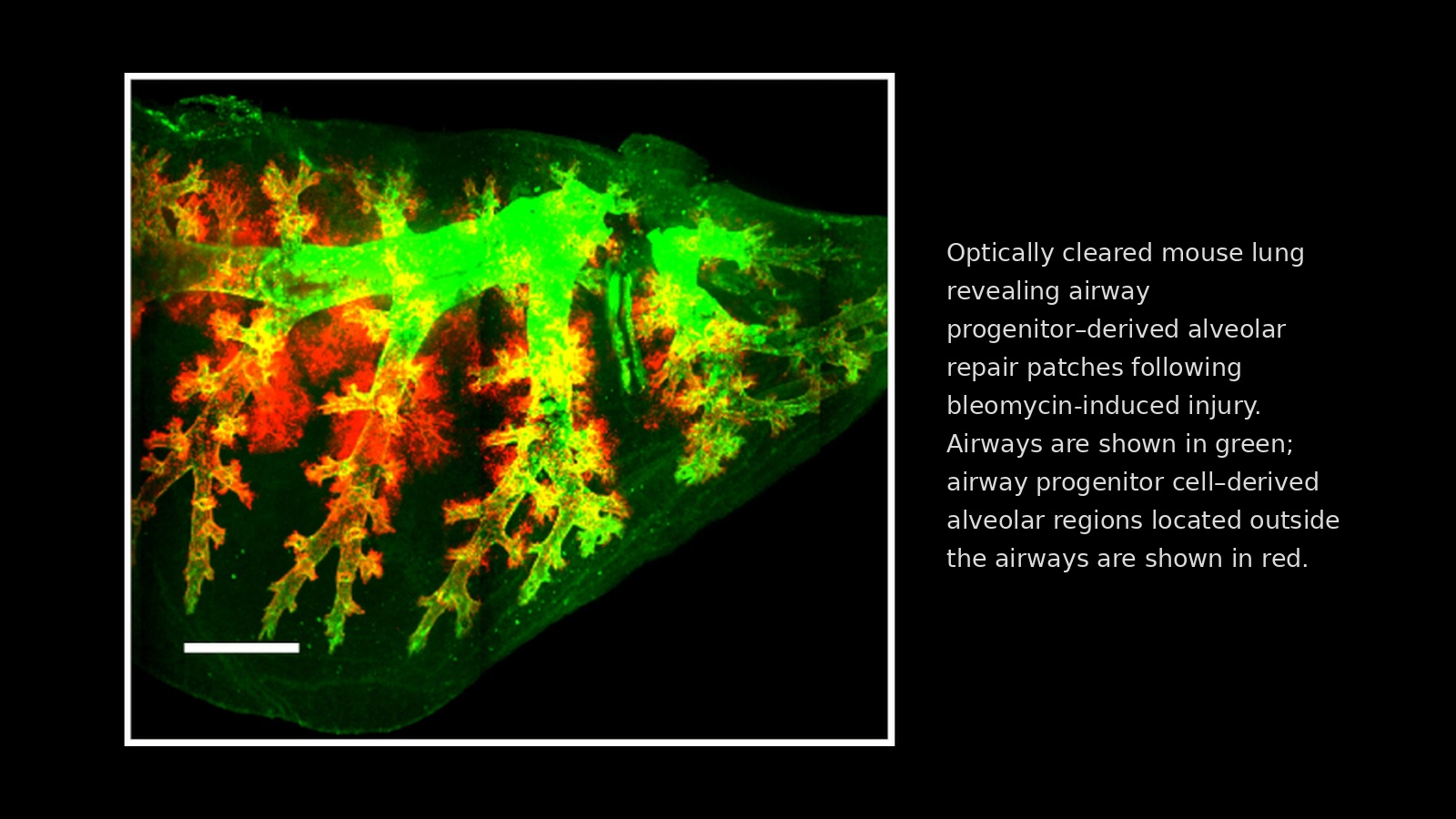
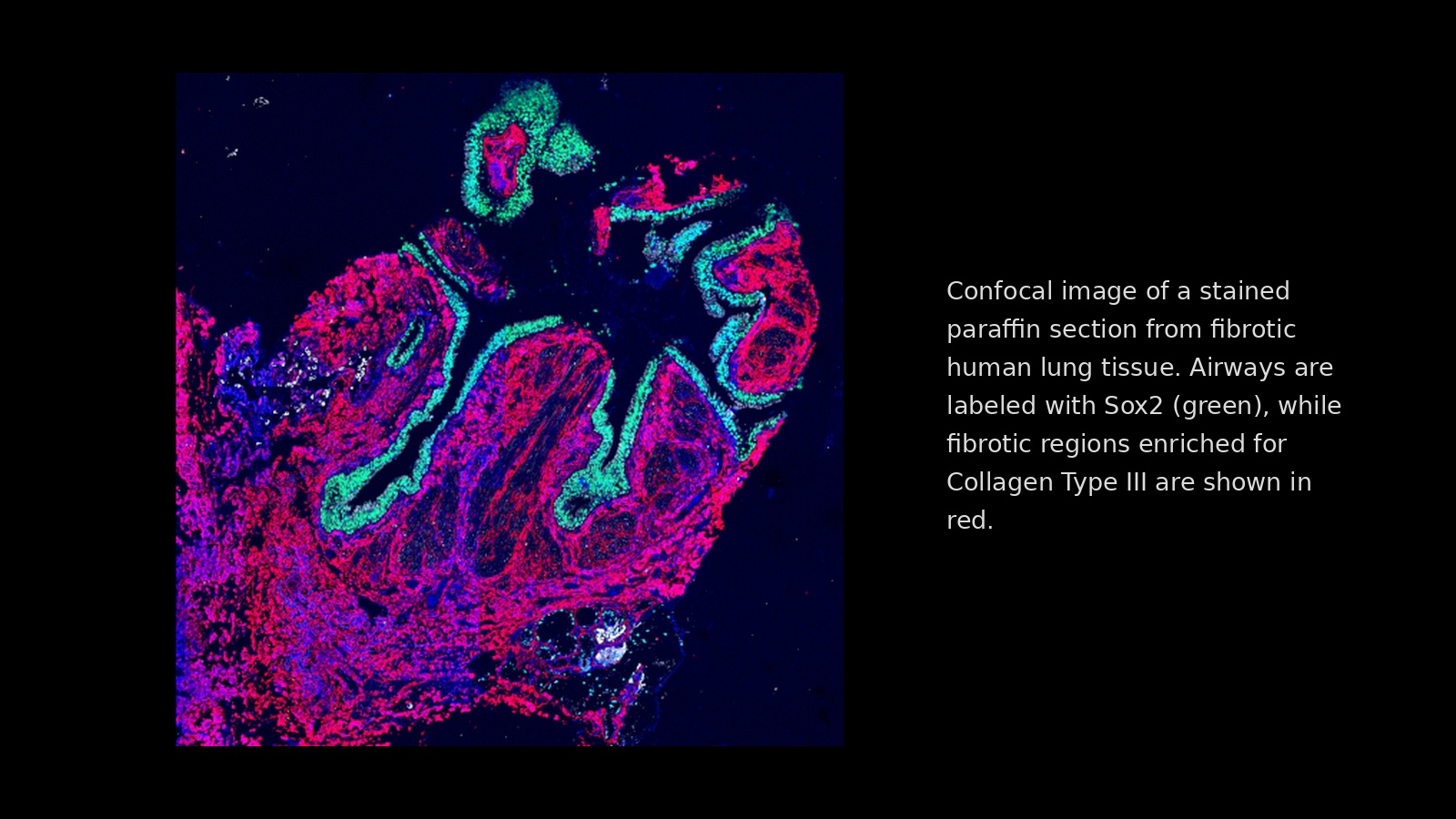
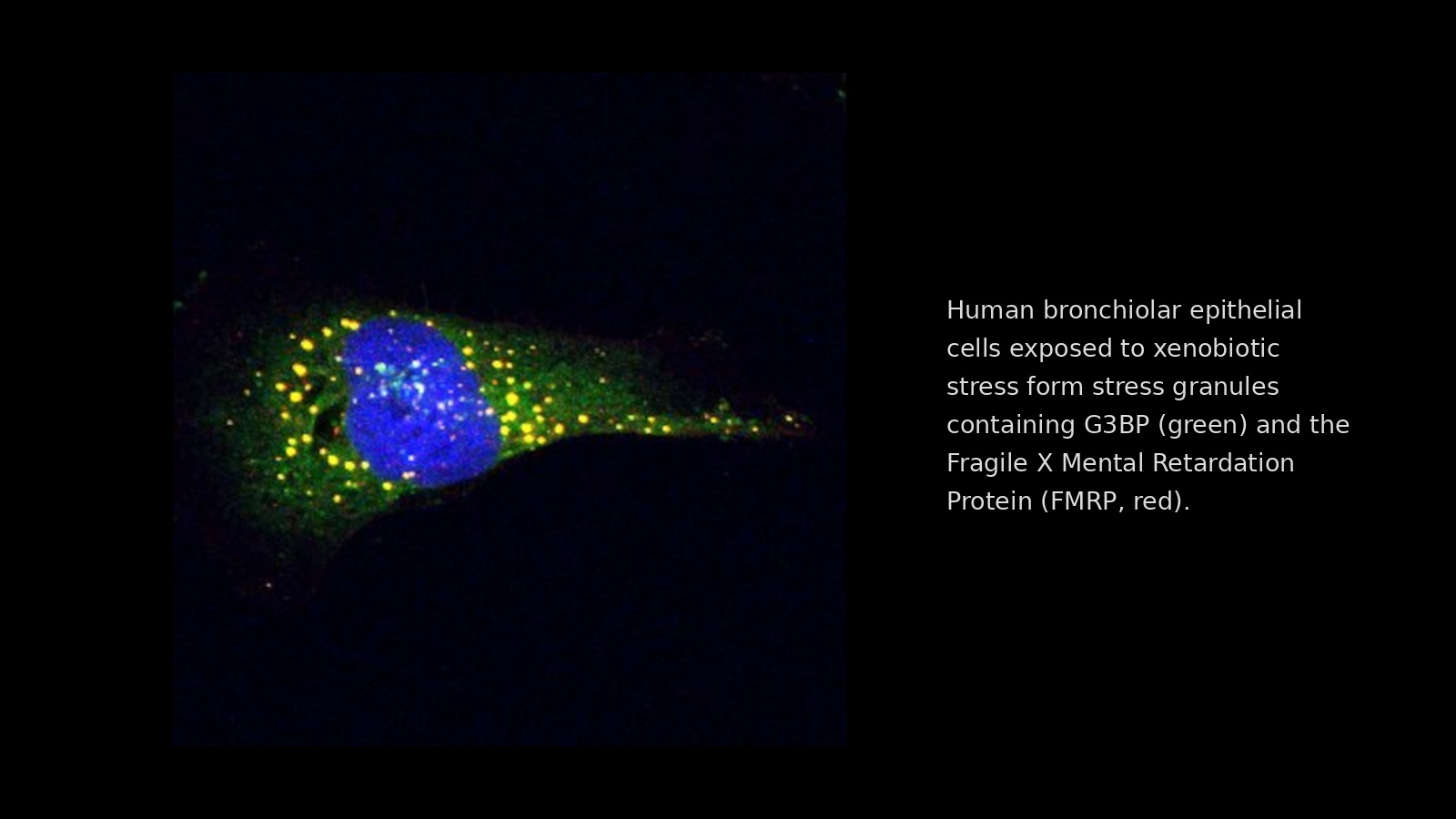
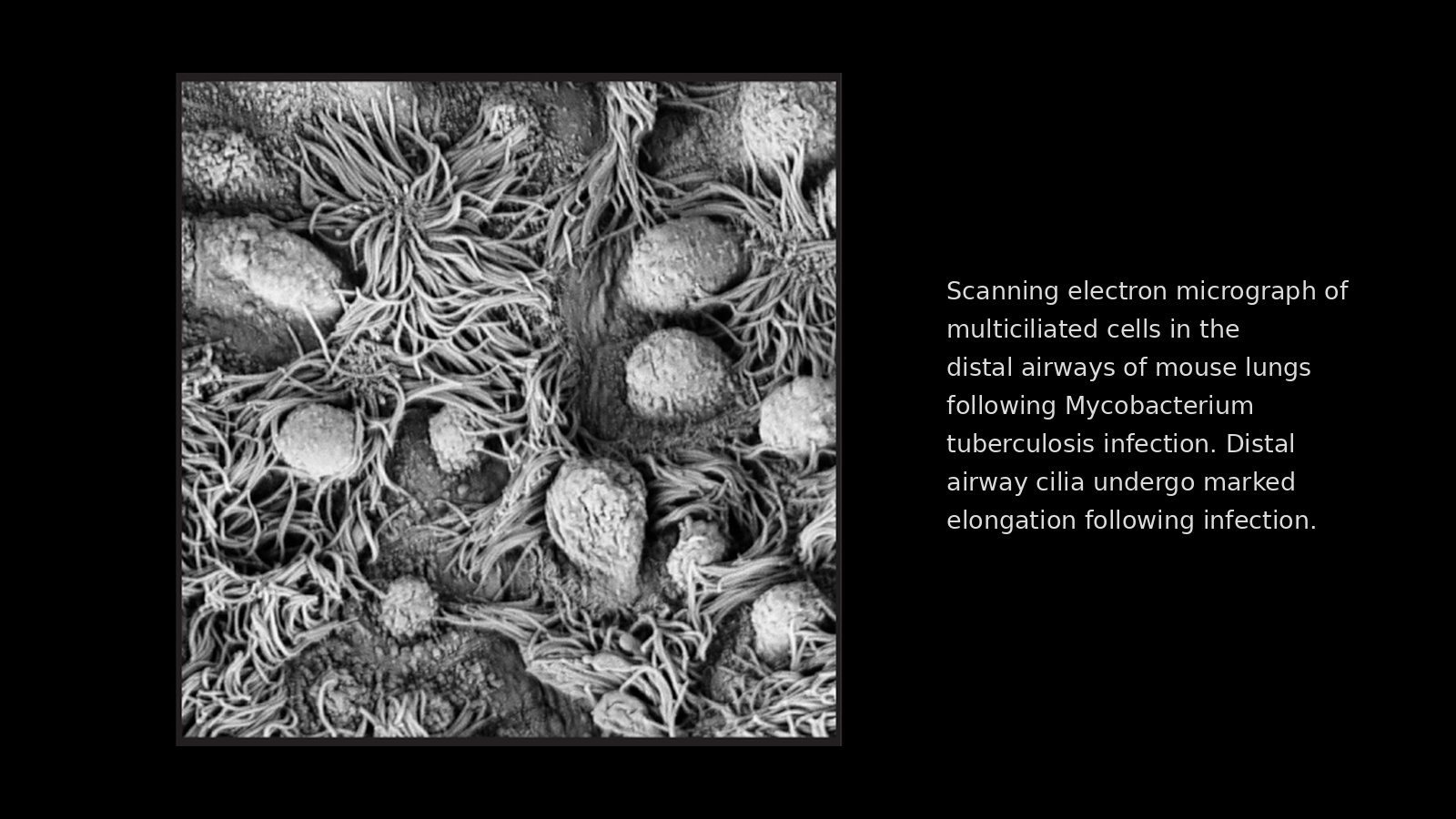
The lungs are constantly exposed to injury—from infection, pollution, and aging—yet they retain a remarkable capacity for repair. Sometimes this repair restores normal tissue architecture and function. Sometimes it fails, leading to chronic diseases such as pulmonary fibrosis.
Our laboratory studies a simple question: how do lung cells respond to damage and rebuild tissue?
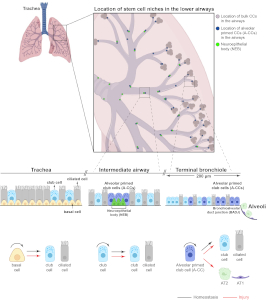
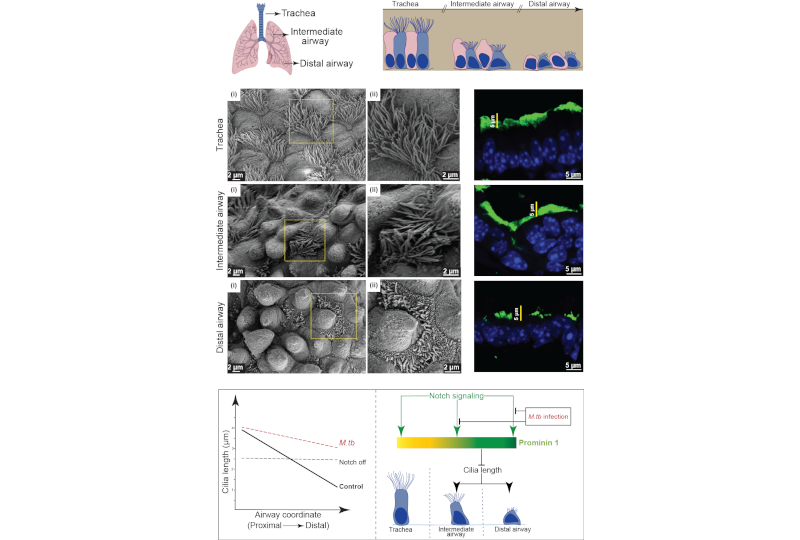
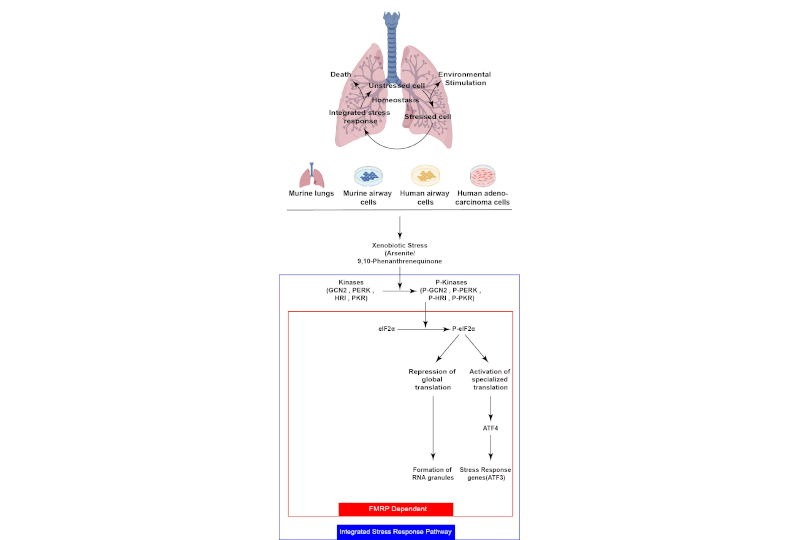
The cells that make up the lung are not fixed in their identity. In response to injury, they can change their structure, re-enter the cell cycle, or adopt new functional states. This ability to change—known as cellular plasticity—is essential for tissue repair, but when dysregulated, it can also drive disease.
We seek to understand how cellular plasticity is controlled.
Our work focuses on the signaling pathways and developmental programs that determine how epithelial cells maintain their identity, when they can change state, and how these responses are shaped during development and altered after injury.
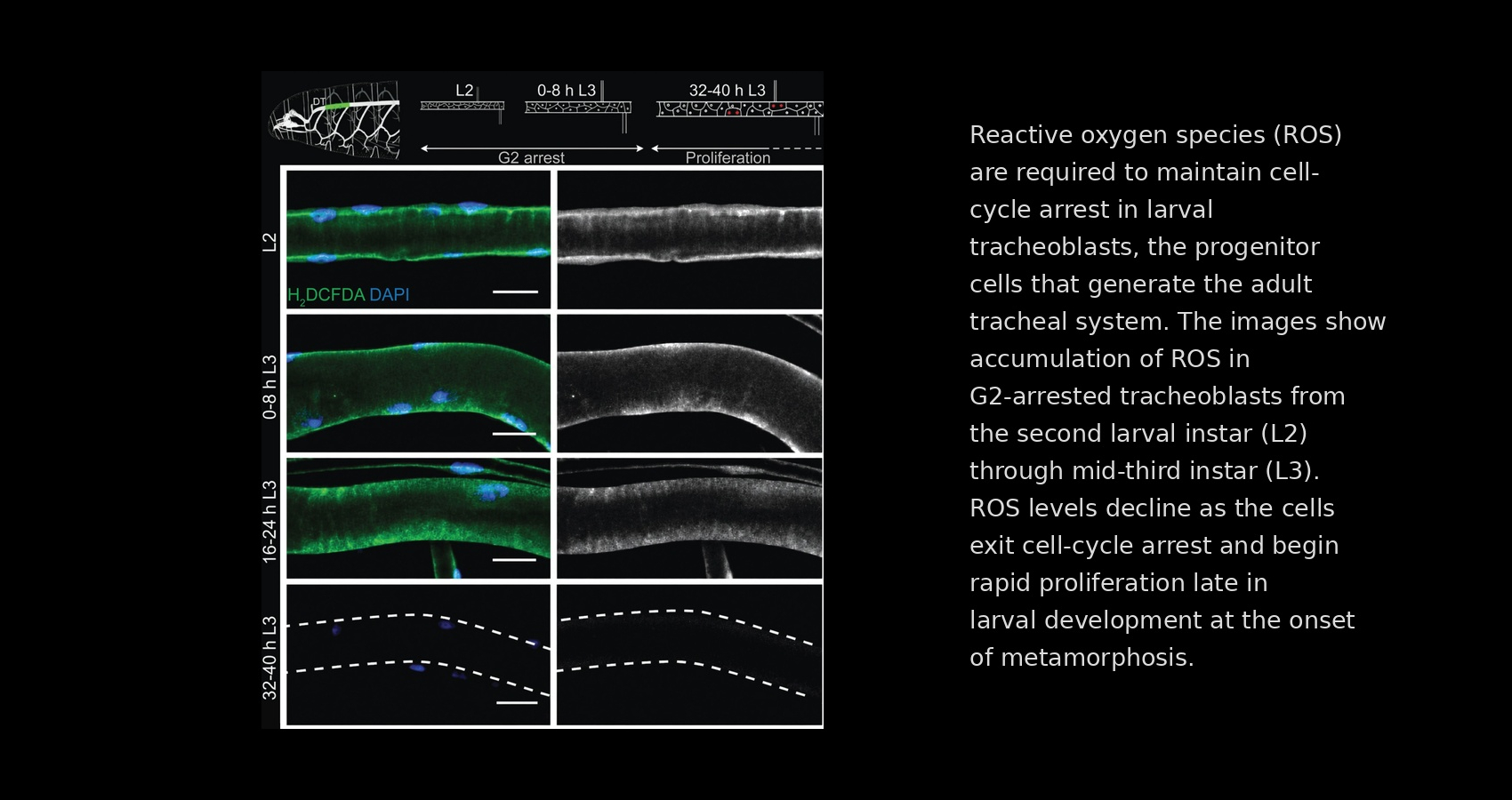
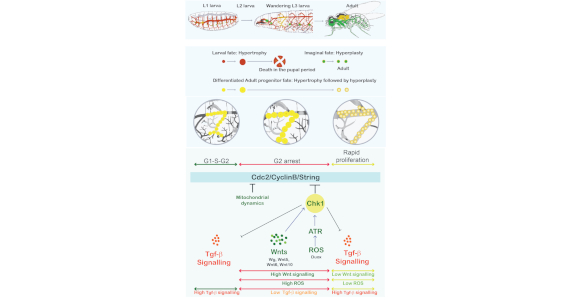
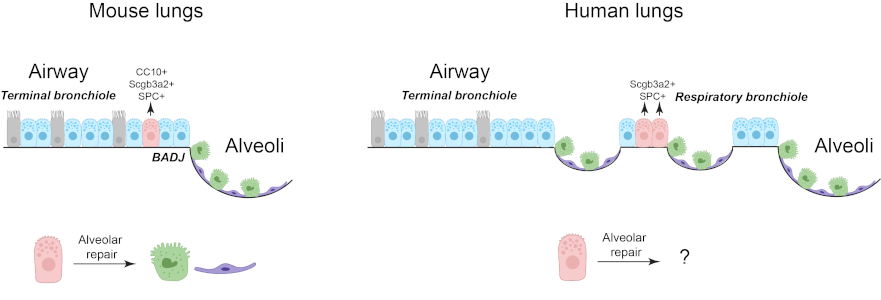
To address these questions, we use systems ranging from Drosophila melanogaster and mouse models to human lung biology, linking fundamental mechanisms of epithelial plasticity to diseases such as pulmonary fibrosis.
To learn more about our ongoing projects, please click on the panels below.